


By admin
Small-Batch Cosmetic Manufacturing: How to Get Started Without Tying Up Capital
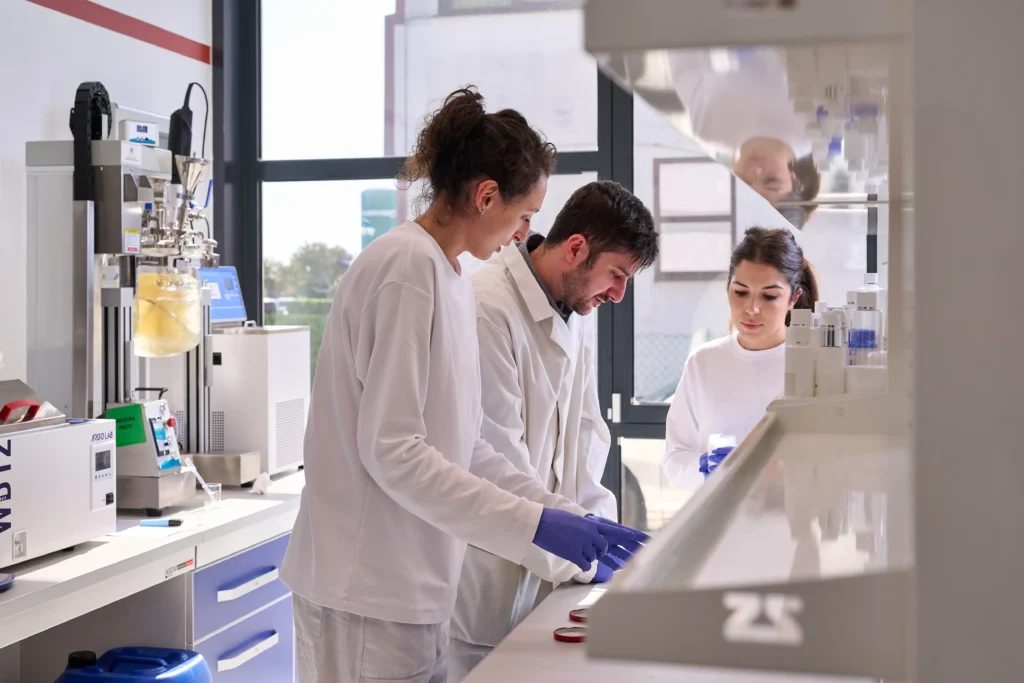
Small-batch contract cosmetic manufacturing allows brands to launch products in limited quantities, reducing the capital tied up in inventory while gathering valuable market feedback. Minimum order quantities (MOQs) depend on the formulation, product format, and packaging. Dasais Cosmetic Hub offers a scalable manufacturing approach, with production volumes and conditions assessed individually for each project.
Launching a cosmetic line requires finding the right balance between initial investment, product characteristics, and expected demand. Ordering large quantities may reduce the cost per unit, but it also increases the financial resources committed before understanding how customers will respond. Starting with a small production batch allows brands to approach their launch gradually.
Why Are Minimum Order Quantities a Challenge for New Brands?
The minimum order quantity (MOQ) is the smallest quantity a manufacturer agrees to produce for a single order. It may be expressed in kilograms of bulk product or in the number of finished units. Understanding this distinction is essential when comparing manufacturing proposals.
For an emerging brand, a high MOQ can mean allocating a substantial portion of its budget to inventory, leaving fewer resources available for marketing, distribution, and customer acquisition.
Packaging can also introduce minimum order requirements. A laboratory may be able to manufacture a limited volume of product, while the packaging supplier may require a significantly larger order.
The initial production quantity should therefore be assessed in the context of the entire project, considering:
- Available budget, including product development and commercial launch costs.
- Expected sales and distribution channels.
- Number of products in the range.
- Product shelf life and storage conditions.
- Reordering lead times to avoid supply disruptions.
What Are the Benefits of Small-Batch Cosmetic Manufacturing?
Producing cosmetics in small batches allows brands to gather valuable information before increasing production volumes.
Test the Product on the Market
Initial sales help assess customer interest, pricing, and the overall presentation of the product range.
Gather Feedback on the User Experience
Product texture, fragrance, dosage, and packaging functionality can be evaluated through direct customer feedback.
Reduce Initial Inventory
Smaller production quantities reduce the capital tied up in stock and provide greater flexibility in budget management.
Plan Growth Based on Actual Demand
Sales performance and repeat purchase rates help brands determine future production quantities based on more reliable data.
Evaluate Potential Product Changes
Lower inventory levels can make it easier to update the product offering. However, changing a formulation or packaging component still requires technical evaluation and may involve additional testing and updates to regulatory documentation.
Small-batch manufacturing reduces initial financial exposure, but it does not eliminate commercial risk. Success also depends on brand positioning, distribution strategies, and the ability to reach the target audience.
What Factors Affect the Cost of a Cosmetic Production Batch?
The cost of a cosmetic production batch includes both initial development activities and manufacturing operations related to the quantity produced. For this reason, ordering fewer units does not automatically result in a lower cost per unit.
|
Cost Component |
Factors Affecting the Cost |
|
Formula development |
Formulation design, samples, revisions, testing, and technical assessments. |
|
Ingredients |
Ingredient types, concentrations, availability, and minimum purchase quantities. |
|
Containers and packaging |
Packaging format, materials, decoration, and supplier minimum order quantities can significantly affect costs for small production volumes. |
|
Manufacturing and filling |
Production preparation and setup costs are distributed across a smaller number of finished units. |
|
Labels and documentation |
Agreed graphic design and regulatory activities, including aspects related to the Product Information File (PIF) and Cosmetic Products Notification Portal (CPNP) notification. |
Choosing between an existing formulation and a fully customized development process affects the initial investment. To compare these two approaches, read our article Private Label or Custom Formulation: How to Choose the Right Solution for Your Cosmetic Line.
Can You Launch a Cosmetic Line with €300?
A budget of €300 cannot be considered a standard investment for launching a cosmetic line. It is essential to clarify what is included in the proposed service. A cosmetic line may consist of several products, each requiring specific formulation activities, technical assessments, packaging, and documentation. Even launching a single cosmetic product therefore requires a careful evaluation of the necessary activities and associated costs.
Before comparing low-cost manufacturing offers, ask the following questions:
- How many finished products are included?
- Does production start from an existing formula or require custom formulation development?
- Are containers, labels, and packaging included?
- Which tests and regulatory documentation activities are covered?
- What are the conditions for placing repeat orders?
At Dasais, the required investment is determined through a project-specific quotation. A clear and detailed project brief makes it possible to identify which solutions are compatible with the available budget.
Tell us about your project. Contact Dasais Cosmetic Hub.
How to Start Small-Batch Cosmetic Manufacturing in Five Steps
1. Define Your Product, Target Audience, and Selling Price
Identify the cosmetic product you want to launch, your target customers, and your intended sales channels. Specify the desired product characteristics, packaging format, initial production quantity, and target price range. Focusing on a limited number of priority products can make the first launch easier to manage.
2. Assess Technical and Commercial Feasibility
Discuss your project with the manufacturing laboratory to verify compatibility between the formulation, packaging, production volumes, and available budget. Alongside the technical assessment, conduct a market demand analysis. Researching competitors, sales channels, and potential customer interest helps develop more realistic sales forecasts.
3. Develop the Formula and Complete the Necessary Assessments
Define the formulation development process and evaluate product samples against the initial project brief. The formulation must undergo all relevant assessments before being placed on the market. The first batch intended for commercial sale can only be manufactured after completing this process. Producing smaller quantities does not replace or eliminate the technical and regulatory activities required for the product.
4. Choose the Container and Label
Evaluate packaging compatibility, ease of use, and availability. For the initial order, standard packaging may be an option worth comparing with more demanding customized solutions. It is also important to clarify who is responsible for graphic design, verifying label information, and managing the required regulatory activities.
5. Produce Your First Batch and Measure the Results
Organize your product launch and monitor sales, customer feedback, and repeat purchases. This information will help you plan future production quantities more effectively.
How Does Dasais Manage Small-Batch Cosmetic Manufacturing?
Dasais Cosmetic Hub combines cosmetic product development and manufacturing through a scalable production model. Initial order quantities and subsequent production volumes are evaluated according to the specific requirements of each project.
Discover more about the Dasais partnership model.
To understand the complete manufacturing process, read Contract Cosmetic Manufacturing: What It Is, How It Works, and How to Choose the Right Manufacturer. To evaluate the best starting point for your formulation, explore Private Label or Custom Formulation: How to Choose the Right Solution for Your Cosmetic Line.
Frequently asked questions
What Is the Minimum Order Quantity for Contract Cosmetic Manufacturing?
The minimum order quantity depends on the formulation, manufacturing process, product format, and packaging suppliers’ minimum purchase requirements.
At Dasais, the minimum commercial order quantity is determined individually for each project.
Can I Reorder the Same Cosmetic Formula?
Repeat orders of the same formulation can be planned with the manufacturer.
Production quantities, lead times, and material availability must be agreed upon in advance.
Dasais uses batch documentation, including Batch Records, to support traceability and consistency throughout the manufacturing process.
Can I Change the Packaging Between Production Batches?
Packaging changes can be considered, but the new container must be compatible with the formulation and filling process.
Such changes may require additional technical assessments, updates to labeling and regulatory documentation, and adjustments to production costs and timelines.
Do Small Cosmetic Batches Have to Meet the Same Requirements as Large Production Runs?
Yes. The quantity manufactured does not reduce the regulatory requirements applicable to cosmetic products marketed in the European Union.
Product safety, Good Manufacturing Practices (GMP), labeling, and regulatory documentation requirements must also be fulfilled for small production batches.